Why the Navajo Blanket Became a Rug: Excavating the Lost Heritage of Globalization
Drawing on evidence contained in six disparate archives, my second book substantiates how as pastoralists, Navajo were affected by free trade during the 1890s, the decade in which the wearing blanket was transformed into a rug, driven by alterations to the domestic wool tariff. Over seventy percent of the content contains information untapped by other scholars. Navajos became entangled in the livestock and textile markets, two of the three largest industries, as the US transitioned from an agrarian market society to a modern industrialized state. For over sixty years reservation traders jobbed handwoven textiles by weight. The price of weaving was pegged to the price of duty-free carpet wool. Currently an estimated 20,000 weavers endure “double jeopardy” triggered by the robust market for historic textiles, in tandem with a tsunami of “knock-offs” legally imported from over a dozen countries. This research situates Navajo weavers within broader debates of Native American women’s labor in international and comparative political economy.
Other Books By - Kathy M'Closkey
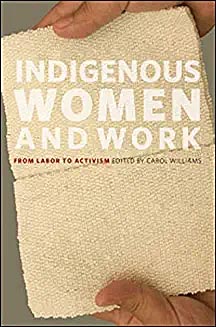 Unravelling the Narratives of Nostalgia: Navajo Weavers and Globalization. In Indigenous Women and Work: From Labor to Activism. Carol Williams, ed. Book Chapter
  Up for Grabs: Assessing the Consequences of Appropriations of Navajo Weavers’ Patterns. In: No Deal! Indigenous Arts and the Politics of Possessions. Tressa Berman, ed. Book Chapter
  The Politics of Pastoralism: Navajos, Churros, and the Challenges of Sustainability in a Globalizing World. Textile Society of America Proceedings Article
 New Insights from the Archives: Historicizing the Political Economy of Navajo Weaving and Wool Growing. Textile Society of America Proceedings Article